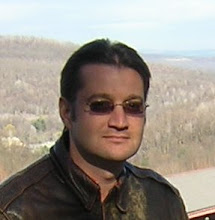
By Delegate Heather R. Mizeur (District 20).
Neutrality guided my thinking as an uncommitted superdelegate during the recent Democratic nominating process, largely because I prefer building the Party to picking horses. Voters decided that Senator Barack Obama should be our presumptive Presidential nominee.
Sure, superdelegates came out to break the deadlock, but they opted for the candidate who had earned the most pledged delegates. Based on the rules that were in place, the nominating process came to its appropriate conclusion.
That’s different than saying the system worked.
Like any idea committed to paper but unproven in the real world, the flaws in our process only became evident when it was put to the test.
The last eighteen months have made it clear that there are many improvements needed, and that reform means more than preventing superdelegates from becoming the central front of another nominating process. Here are some of the things we should consider.
Superdelegates
The idea of superdelegates – or, more officially, an unpledged party leader and elected official (PLEO) delegate – strikes many as undemocratic. Many proposals aimed at curbing their influence center on making their votes more dependent on how the voters in a Congressional district, state, or the whole country voted.
Among these ideas was one I heard from many of Senator Obama’s supporters in Maryland, who believed superdelegates should pledge to vote the way their state (or Congressional district) voted.
The trouble is, Democratic superdelegates aren’t evenly distributed around the country – by population, by percentage of the nationwide Democratic primary vote, or by any other means. Several states – including Maryland and the District of Columbia, won by Senator Obama, and California, New York, and Massachusetts, won by Senator Clinton – are overrepresented by superdelegates. Others states are underrepresented.
This inequity happens for a number of reasons. Many superdelegates are appointed to be at-large DNC members, representing a particular constituency – Young Democrats, African-Americans, GLBT Americans, etc. Former Presidents, Vice Presidents, and some other high-ranking officials also continue to be superdelegates. Wherever these superdelegates live, they are counted with that state’s delegation.
If this logic had been followed by everyone, and all superdelegates had voted the way their States voted, the final numbers would have been much, much different – and this would have probably helped Senator Clinton more than Senator Obama.
Later in the campaign, as the process was nearing its end, I began to hear another argument emerge, mainly from Senator Clinton’s supporters: superdelegates should pledge to support the winner of the national popular vote. But this argument, too, is more complicated and problematic than it seems.
First – in addition to the disagreement about whether (and how) to seat delegates from Michigan and Florida – there was a lack of consensus about whether (and how) to count the votes cast by Michiganders and Floridians. Second, the contests weren’t all held on the same day, making the national popular vote a “photo montage” of the electorate rather than a snapshot. Third – and most importantly – the caucuses held in just over a dozen states do a poor job at capturing “popular” sentiment (more on that in minute).
For these reasons, using the national popular vote for a nominating contest would be as flawed as requiring superdelegates to vote the way of their state or district.
What does it all mean? What should we do about superdelegates?
We could require them (or certain categories of them) to remain neutral until after the primary contests have all concluded, as I did. We could devise a system to bind them (or certain categories of them) to primary vote totals in a way that wouldn’t give some states an outsized influence. We could reduce the overall number of superdelegates, making it less likely that they would exercise as much influence on the nominating process.
Or we could do away with superdelegates entirely.
Caucuses
After Senator and Michelle Obama move into the White House and we’ve secured expanded majorities in the House and Senate, the DNC needs to review whether or not we continue allowing states to hold caucuses. Though cheaper to hold than primaries, they are an imperfect way of nominating a President.
First, and most obviously, caucuses are a bizarre creature in a democracy that values secret ballots. But they also depress overall turnout, and skew what turnout there is away from older voters, working-class voters, voters with disabilities, and other who have trouble making it to a caucus site and staying there, sometimes for hours. There are no absentee ballots for caucuses, and so voters with unmet child care needs, voters who make a living through shift work, deployed members of the military, and voters without reliable transportation are shut out of the process.
We should invest in our democracy by requiring primaries, not caucuses.
A Rotating Regional Primary System
If only Michigan and Florida had followed the rules, their influence on the nominating process may have been greater. But they were only marginally more ambitious than most states in trying to increase their influence on the primary process. (See: Tuesday, Super)
It is past time to allow more states an opportunity to hold the first in the nation primary. We should strongly consider fundamental reform to our party’s nominating contest, taking a close look at a regional primary system. The DNC could carve up the country into 5-8 regions and then use a lottery system to determine the contest dates for each region. This would allow new, different voices to be heard.
Hindsight is always 20/20. Let’s use what we’ve learned from this extraordinary nominating contest to make further improvements for years to come.
Editor's note: This guest post is the second part in a two part series describing Delegate Heather R. Mizeur’s (D-Takoma Park and Silver Spring) status as a Democratic superdelegate in the recent Presidential nominating process.
Showing posts with label Heather Mizeur. Show all posts
Showing posts with label Heather Mizeur. Show all posts
Wednesday, June 18, 2008

Tuesday, June 17, 2008
On the Sidelines but in the Fray
By Delegate Heather R. Mizeur (District 20).
The Washington Post recently ran an article detailing my fifteen minutes in the superdelegate spotlight.
I hope it’s the last fifteen minutes I’ll have to spend there.
Like a couple hundred other Democratic superdelegates around the country, I remained – as the Post put it – “adamantly, stubbornly undeclared” throughout the primary season. And so for nearly six months, the Clinton and Obama campaigns each lined up a small legion of surrogates, who dutifully called to sway my vote one way or the other.
And that’s the story the Post ran, the story most Americans wanted to read about uncommitted superdelegates: phone conversations and meetings with Governors and Senators, encounters with friends and neighbors on the Metro, and – of course – Melissa Etheridge calling.
But my experience is more nuanced than that.
The night before the article ran and my support for Obama’s candidacy became official, he had become our presumptive nominee by reaching the number of delegates needed to clinch the Democratic nomination.
The timing of my decision prompted questions by people who posted online comments, emailed me, or blogged about the article. Why did she wait so long? Why now?
Fair questions – what I haven’t ever articulated well enough was why I stayed on the sidelines.
It’s quite simple: I wanted the voters to decide.
We have never had an election like this one, and we may never have another. Since their creation in 1982, superdelegates had never played a significant role in choosing our Party’s nominee for President.
Even when it became clear that we might be forced into that role, there was no rulebook to guide our decision-making process – or the campaigns’ and the public’s efforts to sway our votes.
I became a superdelegate when the Maryland Democratic Party chose me as one of its representatives to the Democratic National Committee. When I was elected as a Committeewoman in 2005, I pledged to work hard for our Party, to grow our base, to shape our platform, and to support our candidates. Since then, I have remained neutral in Party primaries, which isn’t always easy in a state and a county boasting a bumper crop of talented Democratic leaders.
Last fall, when faced with a heavily contested presidential nominating process, I decided to remain neutral until at least after the Maryland primary had concluded. Doing so lets me be an unbiased resource connecting voters and activists to all Democratic campaigns. It also allows me to advocate and assist all our candidates.
I held a house party for Bill Richardson, and offered to do the same for the other candidates. I volunteered at rallies for Barack Obama and John Edwards. I drove elderly voters to the polls for Hillary Clinton. I took pride in helping other Marylanders do the same.
As Maryland’s primary concluded, it seemed increasingly likely that the contest would remain close and the national dialogue would continue to unfold and flourish. My gut told me that it was important to let that conversation run its course – that Superdelegates should not prematurely end this race. Though my resolve to remain uncommitted was sometimes tested, it was never broken.
Along the way, I was encouraged to declare my choice for the Democratic nominee by both sides of the contest – campaign surrogates, advocates in Maryland and across the country, neighbors, and the candidates themselves. Sometimes it seemed that there were as many rationales as there were pundits to deliver them.
These were oftentimes compelling, but none ultimately convinced me that I should abandon my neutrality. And so I remained “adamantly, stubbornly undeclared,” waiting for the process to play itself out.
On June 3rd, it had ended. The last primaries and caucuses had been held, the last votes had been cast and counted. Senator Obama and his campaign had masterfully developed and executed their national strategy and he emerged as our presumptive nominee.
Never has staying out of a fight proved to be so bruising.
Committing my support when I did has been misinterpreted by some as political opportunism; remaining undeclared through the end of the races has been misconstrued by others as a self-interested joy ride. While I can probably do very little to change these opinions, I would like to offer some insights.
The Democratic Party, Senator Barack Obama, and our candidates up and down the ballot are stronger than ever as a result of this primary season, and we stand ready to defeat Senator John McCain and the failed policies of the Bush Administration in November.
Because the process was allowed to play itself out, each state played an important role and we sent organizers to states and cities where Democrats normally do not compete. Because the process was allowed to play itself out, tens of millions of people voted and we registered record-breaking numbers of new voters. Because the process was allowed to play itself out, Senator Obama is ready to win in November, and we are all ready to help him.
And finally, because the process was allowed to play itself out, America decided – instead of me.
Editor's note: This guest post is the first part in a two part series describing Delegate Heather R. Mizeur’s (D-Takoma Park and Silver Spring) status as a Democratic superdelegate in the recent Presidential nominating process.
The Washington Post recently ran an article detailing my fifteen minutes in the superdelegate spotlight.
I hope it’s the last fifteen minutes I’ll have to spend there.
Like a couple hundred other Democratic superdelegates around the country, I remained – as the Post put it – “adamantly, stubbornly undeclared” throughout the primary season. And so for nearly six months, the Clinton and Obama campaigns each lined up a small legion of surrogates, who dutifully called to sway my vote one way or the other.
And that’s the story the Post ran, the story most Americans wanted to read about uncommitted superdelegates: phone conversations and meetings with Governors and Senators, encounters with friends and neighbors on the Metro, and – of course – Melissa Etheridge calling.
But my experience is more nuanced than that.
The night before the article ran and my support for Obama’s candidacy became official, he had become our presumptive nominee by reaching the number of delegates needed to clinch the Democratic nomination.
The timing of my decision prompted questions by people who posted online comments, emailed me, or blogged about the article. Why did she wait so long? Why now?
Fair questions – what I haven’t ever articulated well enough was why I stayed on the sidelines.
It’s quite simple: I wanted the voters to decide.
We have never had an election like this one, and we may never have another. Since their creation in 1982, superdelegates had never played a significant role in choosing our Party’s nominee for President.
Even when it became clear that we might be forced into that role, there was no rulebook to guide our decision-making process – or the campaigns’ and the public’s efforts to sway our votes.
I became a superdelegate when the Maryland Democratic Party chose me as one of its representatives to the Democratic National Committee. When I was elected as a Committeewoman in 2005, I pledged to work hard for our Party, to grow our base, to shape our platform, and to support our candidates. Since then, I have remained neutral in Party primaries, which isn’t always easy in a state and a county boasting a bumper crop of talented Democratic leaders.
Last fall, when faced with a heavily contested presidential nominating process, I decided to remain neutral until at least after the Maryland primary had concluded. Doing so lets me be an unbiased resource connecting voters and activists to all Democratic campaigns. It also allows me to advocate and assist all our candidates.
I held a house party for Bill Richardson, and offered to do the same for the other candidates. I volunteered at rallies for Barack Obama and John Edwards. I drove elderly voters to the polls for Hillary Clinton. I took pride in helping other Marylanders do the same.
As Maryland’s primary concluded, it seemed increasingly likely that the contest would remain close and the national dialogue would continue to unfold and flourish. My gut told me that it was important to let that conversation run its course – that Superdelegates should not prematurely end this race. Though my resolve to remain uncommitted was sometimes tested, it was never broken.
Along the way, I was encouraged to declare my choice for the Democratic nominee by both sides of the contest – campaign surrogates, advocates in Maryland and across the country, neighbors, and the candidates themselves. Sometimes it seemed that there were as many rationales as there were pundits to deliver them.
These were oftentimes compelling, but none ultimately convinced me that I should abandon my neutrality. And so I remained “adamantly, stubbornly undeclared,” waiting for the process to play itself out.
On June 3rd, it had ended. The last primaries and caucuses had been held, the last votes had been cast and counted. Senator Obama and his campaign had masterfully developed and executed their national strategy and he emerged as our presumptive nominee.
Never has staying out of a fight proved to be so bruising.
Committing my support when I did has been misinterpreted by some as political opportunism; remaining undeclared through the end of the races has been misconstrued by others as a self-interested joy ride. While I can probably do very little to change these opinions, I would like to offer some insights.
The Democratic Party, Senator Barack Obama, and our candidates up and down the ballot are stronger than ever as a result of this primary season, and we stand ready to defeat Senator John McCain and the failed policies of the Bush Administration in November.
Because the process was allowed to play itself out, each state played an important role and we sent organizers to states and cities where Democrats normally do not compete. Because the process was allowed to play itself out, tens of millions of people voted and we registered record-breaking numbers of new voters. Because the process was allowed to play itself out, Senator Obama is ready to win in November, and we are all ready to help him.
And finally, because the process was allowed to play itself out, America decided – instead of me.
Editor's note: This guest post is the first part in a two part series describing Delegate Heather R. Mizeur’s (D-Takoma Park and Silver Spring) status as a Democratic superdelegate in the recent Presidential nominating process.
Friday, December 14, 2007
Who’s Got the Biggest War Chests in MoCo?
If you have not done this already, go visit the UMBC Maryland Campaign Finance website. It’s a fun research tool and you’ll learn things about politicians you won’t believe. For example: who’s got money and who’s broke?
We here at MPW are, as always, dedicated to our growing legions of devoted readers. As usual, WE will do the work so that YOU – the informed political consumers who know enough to visit us every day – can draw your own conclusions. So, let’s go to the data!
Broadly speaking, candidate finances are reported in five categories: receipts, expenditures, cash/account balance, in-kinds and outstanding obligations. Think of the difference between account balance and outstanding obligations as a political balance sheet. High balances with no obligations can be liquidated as political ammo immediately. Outstanding obligations are almost always loans that candidates make to themselves. With every dollar they spend, candidates with high outstanding obligations are deciding whether to keep running for office or replenish their depleted nest eggs. These being politicians, most will decide to buy that extra campaign sign.
The last financial reports came in as of 1/17/07. The next batch should be in around Valentine’s Day – fitting, don’t you think? Of course, a lot has happened over the last year but fret not – we will update you.
So which MoCo state legislators have the most money? Measured by campaign account balance, the three best-financed MoCo Senators were Jennie Forehand (D17 - $64,092), Brian Frosh (D16 - $41,667) and Rob Garagiola (D15 - $31,024). The three poorest MoCo Senators were Jamie Raskin (D20 - $4,821), Mike Lenett (D19 - $7,518) and Nancy King (D39 - $8,875). To be fair to King, she was only recently appointed to the Senate.
Among the MoCo Delegates, the three best-financed were Susan Lee (D16 - $66,027), Heather Mizeur (D20 - $38,869) and Jeff Waldstreicher (D18 - $32,158). The three poorest were Al Carr (D18 - $280), Brian Feldman (D15 - $338) and Saqib Ali (D39 - $391). To be fair to Carr, he was not a Delegate at the time of his last report.
It’s not just about account balance though. Remember those pesky outstanding obligations? Sometimes they’re not merely pesky – they’re absolutely colossal. I know it’s shocking, but some politicians will spend lots of their own money to win. The only three MoCo Senators who reported outstanding obligations were Mike Lenett (D19 - $160,000), Jamie Raskin (D20 - $20,000) and Rob Garagiola (D15 - $10,000). All had contested races and all of these obligations were loans to their own campaigns.
The Delegates who reported the largest outstanding obligations were Ben Kramer (D19 - $114,450), Roger Manno (D19 - $70,000) and Jeff Waldstreicher (D18 - $42,417). Again, all had seriously contested races and all of their obligations were loans to themselves. So dear reader, if you had to put in $100,000 of your own money to just have a shot at winning office, would you do it?
Now here’s the interesting part. Subtract outstanding obligations from account balances and which incumbents were the most solvent? Among MoCo Senators, the leaders were Jennie Forehand (D17 - $64,092), Brian Frosh (D16 - $41,667) and Rob Garagiola (D15 - $21,024). No surprises there. But two Senators actually had negative net assets – Mike Lenett (D19 – negative $152,482) and Jamie Raskin (D20 – negative $15,179).
Among the delegates, the leaders in net assets were Susan Lee (D16 - $66,027), Heather Mizeur (D20 - $38,869) and House Majority Leader Kumar Barve (D17 - $30,843). The worst off were Ben Kramer (D19 – negative $113,252), Roger Manno (D19 – negative $67,611) and Al Carr (D18 – negative $19,370). Seeing as how Kramer and Manno serve in the same district, they would be wise to run together on a slate to avoid bankrupting each other.
One note of caution. Many of these candidates have joint slate accounts that pay for multi-candidate signs and mailings. Those who stick together on slates and collect the Apple Ballot need less money to win (and almost always do win). So monetary weakness does not always equal political weakness.
What about potential Delegate challengers? Jean Cryor (D15), Joan Stern (D39), Aaron Klein (D20), appointment candidate Hugh Bailey (D39) and Ryan Spiegel (D17) all finished with positive account balances, though Bailey and Spiegel had very little money left. Regina Oldak (D16), Paul Griffin (D19), Alec Stone (D19) and Dana Beyer (D18) all finished with five-digit outstanding loans to themselves. Beyer’s outstanding loan total – $75,000 – was only exceeded by Lenett and Kramer. These four candidates will probably have to choose between running for office again or making a down payment on that Eastern Shore beach cabin we all want. Crab-loving hedonist that I am, I’d take the beach cabin.
We here at MPW are, as always, dedicated to our growing legions of devoted readers. As usual, WE will do the work so that YOU – the informed political consumers who know enough to visit us every day – can draw your own conclusions. So, let’s go to the data!
Broadly speaking, candidate finances are reported in five categories: receipts, expenditures, cash/account balance, in-kinds and outstanding obligations. Think of the difference between account balance and outstanding obligations as a political balance sheet. High balances with no obligations can be liquidated as political ammo immediately. Outstanding obligations are almost always loans that candidates make to themselves. With every dollar they spend, candidates with high outstanding obligations are deciding whether to keep running for office or replenish their depleted nest eggs. These being politicians, most will decide to buy that extra campaign sign.
The last financial reports came in as of 1/17/07. The next batch should be in around Valentine’s Day – fitting, don’t you think? Of course, a lot has happened over the last year but fret not – we will update you.
So which MoCo state legislators have the most money? Measured by campaign account balance, the three best-financed MoCo Senators were Jennie Forehand (D17 - $64,092), Brian Frosh (D16 - $41,667) and Rob Garagiola (D15 - $31,024). The three poorest MoCo Senators were Jamie Raskin (D20 - $4,821), Mike Lenett (D19 - $7,518) and Nancy King (D39 - $8,875). To be fair to King, she was only recently appointed to the Senate.
Among the MoCo Delegates, the three best-financed were Susan Lee (D16 - $66,027), Heather Mizeur (D20 - $38,869) and Jeff Waldstreicher (D18 - $32,158). The three poorest were Al Carr (D18 - $280), Brian Feldman (D15 - $338) and Saqib Ali (D39 - $391). To be fair to Carr, he was not a Delegate at the time of his last report.
It’s not just about account balance though. Remember those pesky outstanding obligations? Sometimes they’re not merely pesky – they’re absolutely colossal. I know it’s shocking, but some politicians will spend lots of their own money to win. The only three MoCo Senators who reported outstanding obligations were Mike Lenett (D19 - $160,000), Jamie Raskin (D20 - $20,000) and Rob Garagiola (D15 - $10,000). All had contested races and all of these obligations were loans to their own campaigns.
The Delegates who reported the largest outstanding obligations were Ben Kramer (D19 - $114,450), Roger Manno (D19 - $70,000) and Jeff Waldstreicher (D18 - $42,417). Again, all had seriously contested races and all of their obligations were loans to themselves. So dear reader, if you had to put in $100,000 of your own money to just have a shot at winning office, would you do it?
Now here’s the interesting part. Subtract outstanding obligations from account balances and which incumbents were the most solvent? Among MoCo Senators, the leaders were Jennie Forehand (D17 - $64,092), Brian Frosh (D16 - $41,667) and Rob Garagiola (D15 - $21,024). No surprises there. But two Senators actually had negative net assets – Mike Lenett (D19 – negative $152,482) and Jamie Raskin (D20 – negative $15,179).
Among the delegates, the leaders in net assets were Susan Lee (D16 - $66,027), Heather Mizeur (D20 - $38,869) and House Majority Leader Kumar Barve (D17 - $30,843). The worst off were Ben Kramer (D19 – negative $113,252), Roger Manno (D19 – negative $67,611) and Al Carr (D18 – negative $19,370). Seeing as how Kramer and Manno serve in the same district, they would be wise to run together on a slate to avoid bankrupting each other.
One note of caution. Many of these candidates have joint slate accounts that pay for multi-candidate signs and mailings. Those who stick together on slates and collect the Apple Ballot need less money to win (and almost always do win). So monetary weakness does not always equal political weakness.
What about potential Delegate challengers? Jean Cryor (D15), Joan Stern (D39), Aaron Klein (D20), appointment candidate Hugh Bailey (D39) and Ryan Spiegel (D17) all finished with positive account balances, though Bailey and Spiegel had very little money left. Regina Oldak (D16), Paul Griffin (D19), Alec Stone (D19) and Dana Beyer (D18) all finished with five-digit outstanding loans to themselves. Beyer’s outstanding loan total – $75,000 – was only exceeded by Lenett and Kramer. These four candidates will probably have to choose between running for office again or making a down payment on that Eastern Shore beach cabin we all want. Crab-loving hedonist that I am, I’d take the beach cabin.
Subscribe to:
Posts (Atom)